Introduction
Masonry has been a foundation of building layout and building for centuries. The techniques utilized by knowledgeable masonry specialists have progressed considerably from the old worlds that first took advantage of the power of stone and brick. In this post, we'll dig deep right into the world of stonework, discovering its abundant background, modern-day innovations, and insights from seasoned experts in the field.
What is Masonry?
Masonry refers to the building procedure that uses products such as rock, block, or concrete blocks. It's an approach that not just stands the test of time however also provides visual allure and architectural integrity. With origins tracing back hundreds of years, stonework has actually been crucial in producing some of mankind's most legendary structures.
The Advancement of Stonework Techniques
From Old Rocks to Modern Frameworks: Insights on Stonework Methods from Experienced Contractors covers a wide range of masonry techniques. This evolution showcases how developments have changed traditional approaches right into contemporary approaches.
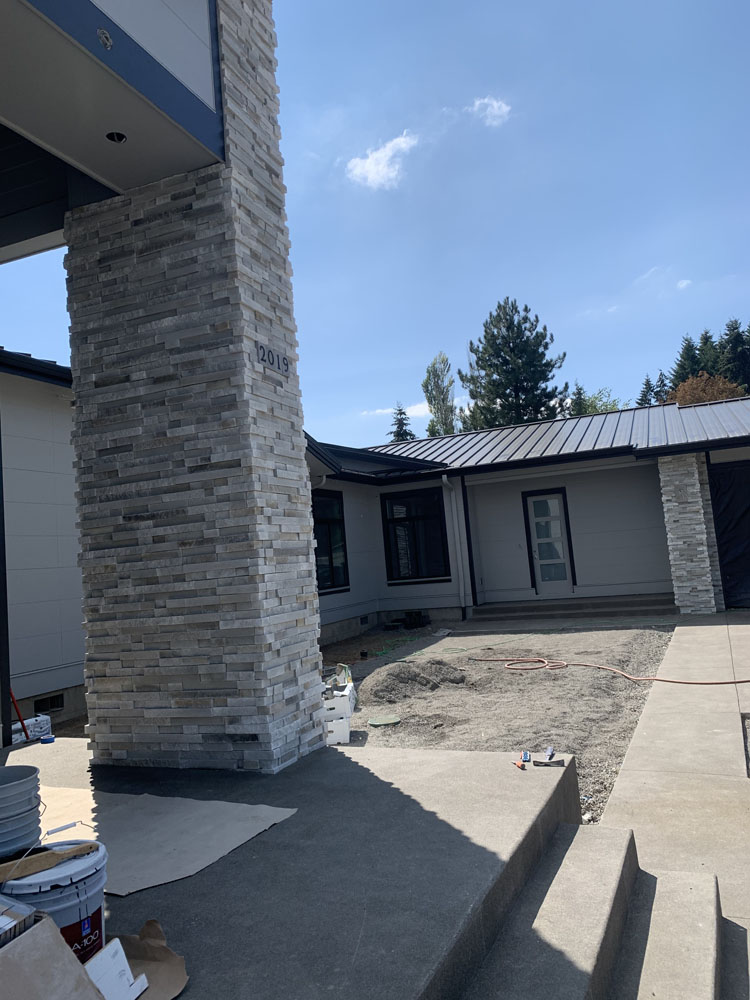
Historical Overview of Masonry
- Ancient Civilizations: The Egyptians used rock blocks to create significant frameworks like pyramids. Roman Innovations: The Romans refined making use of concrete, enabling much more complicated designs. Medieval Masonry: Gothic basilicas showcased complex stonework that stressed elevation and light.
Each duration contributed unique methods that educated modern practices.
Essential Tools Made use of by Stonework Contractors
Understanding the tools utilized in masonry is essential for valuing the craft. Right here are some main tools used by stonework service providers:
Trowel: Used for spreading mortar and shaping bricks. Level: Makes certain frameworks are even. Masonry Saw: Puncture rocks and bricks with precision. Pointing Tool: For ending up joints in between stones.By understanding these tools, specialists make certain quality craftsmanship in every project.
Types of Stonework Techniques
Different types of stonework strategies cater to different building requirements:
- Brick Masonry: Traditional yet functional, block offers excellent thermal properties. Stone Masonry: Involves making use of natural stones; wonderful for durability and aesthetics. Concrete Block Masonry: Affordable and solid; ideal for modern construction.
Each strategy has its benefits depending upon project requirements.
The Duty of a Masonry Contractor
A masonry contractor plays a vital role in both property and industrial tasks. They not only bring proficiency yet likewise make sure compliance with building codes and regulations.
Responsibilities of a Stonework Contractor
Assessing Job Requirements Sourcing Quality Materials Overseeing Construction Processes Ensuring Security StandardsThese obligations highlight their important function in effective construction projects.
The Relevance of Quality Materials
Using top notch materials can dramatically affect the long life and look of a framework. Seasonal variants Continue reading can impact product performance, which is why knowledgeable service providers emphasize picking appropriate materials based upon ecological conditions.
Common Products Used in Masonry
- Clay Bricks Natural Stone Concrete Blocks Mortar Mixes
Each product offers its purpose while contributing to total structural integrity.
Modern Innovations in Masonry
As modern technology advances, so do stonework methods. Modern innovations consist of:
3 D Printing Technology: Improving building and construction processes. Eco-Friendly Materials: Lasting options are obtaining grip amongst contractors. Advanced Mortars: Enhance bond and durability under differing weather conditions.These advancements existing new chances for engineers and contractors alike.
Challenges Dealt with by Today's Stonework Contractors
Even seasoned service providers run into obstacles:
- Weather conditions can delay projects. Material scarcities might occur unexpectedly. Adapting to brand-new innovations requires continual learning.
Addressing these challenges is vital for preserving job timelines and top quality standards.
Safety Practices in Masonry Work
Ensuring safety and security on-site is critical for any kind of masonry contractor:
Wearing Personal Safety Tools (PPE) Using scaffolding correctly Proper training methodsImplementing these practices assists stop mishaps and injuries during building activities.
Case Researches of Historical Frameworks Developed with Masonry
Examining historical structures offers beneficial understandings into reliable masonry methods:
The Great Wall of China
Constructed over centuries, this monumental framework highlights old stonework techniques still admired today.
Colosseum in Rome
A marvel of Roman engineering, showcasing innovative concrete usage throughout its time.
By studying these instances, contemporary contractors can glean lessons appropriate to current projects.
Future Patterns in Masonry
As we look in advance, several fads may shape the future landscape of masonry:
Increased Use Prefabricated Units Enhanced Sustainability Practices Digital Cooperation ToolsThese fads show how contractors must remain adaptable to thrive in a progressing sector landscape.
Frequently Asked Concerns (FAQs)
1. What makes a great stonework contractor?
A good masonry service provider possesses experience, expertise concerning materials, interest to information, strong communication skills, and adherence to safety protocols-- all vital top qualities that make sure effective job outcomes.
2. For how long does it require to finish a stonework project?
The timeline varies widely relying on aspects such as project dimension, intricacy, product availability, weather, and labor force performance-- varying from weeks for small work to months for bigger building and constructions like structures or walls.
3. What are common problems faced during stonework work?
Common problems include dampness seepage causing mold and mildew development or wear and tear with time; incorrect mixing proportions causing weak bond staminas; weather-related delays; or unforeseen architectural issues discovered during restorations or repairs-- each requiring mindful monitoring by skilled contractors.
4. Is it essential to work with experts for little stonework jobs?
While do it yourself fanatics might deal with minor fixings or installations themselves if they possess adequate skills/knowledge about appropriate tools/materials entailed-- it's usually a good idea hiring experts makes certain high quality workmanship lessens possible errors/costly mistakes down roadway-- particularly when structural honesty at stake!
5. Exist eco-friendly alternatives readily available in masonry?
Yes! Many producers currently produce sustainable products developed specifically decrease ecological effect-- such as recycled content bricks/concrete mixes-- enabling customers construct properly without sacrificing style/functionality!
6. What upkeep does stonework call for over time?
Routine evaluations must be performed identify noticeable cracks/joint separation making sure seals intact preventing water damages-- periodic cleaning will certainly additionally maintain surface areas looking fresh/appealing while shielding underlying framework integrity!
Conclusion
In final thought, discovering the journey "From Ancient Stones to Modern Structures: Insights on Masonry Techniques from Seasoned Specialists" reveals not simply background but additionally technology within this old craft-- a testament resilience versatility presented throughout centuries! With each passing years yields new challenges & & possibilities shaping future landscape market, yet core principles workmanship remain the same assisting hands experienced masons today towards producing sensational enduring works design inspiring generations yet come!